Enhancing Weld Quality with Innovative Ceramic Backing Solutions
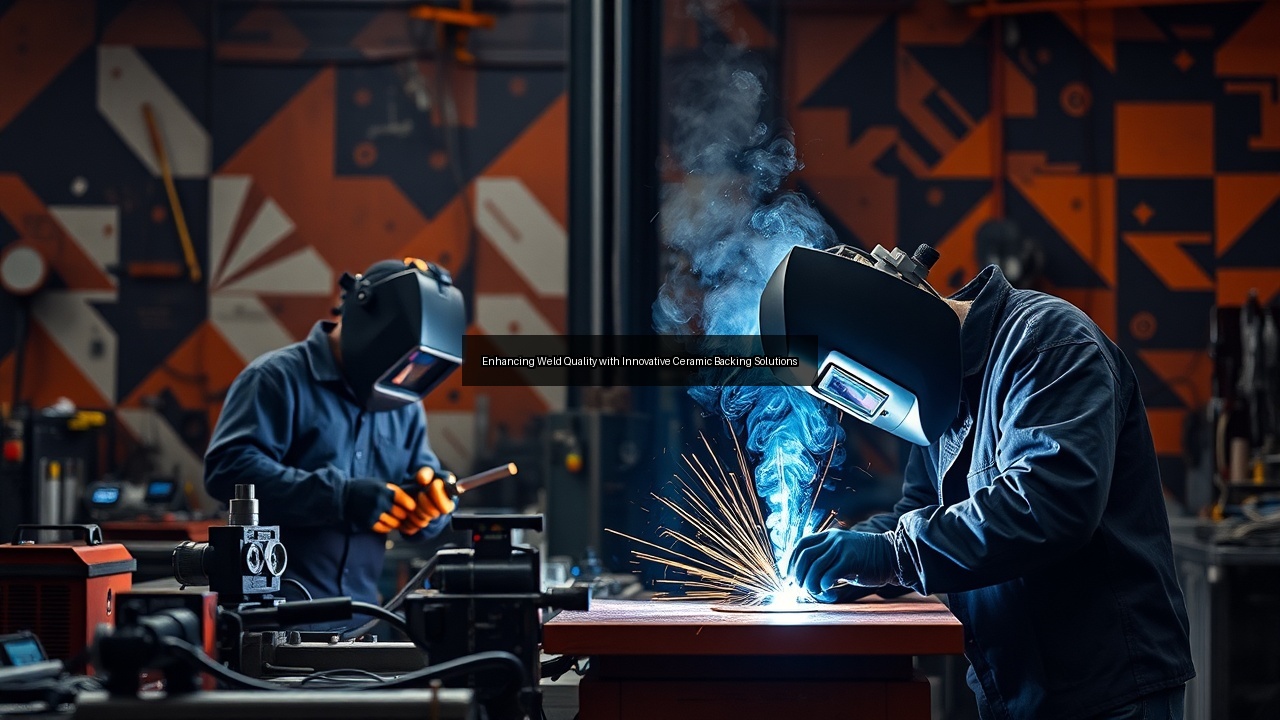
Understanding Ceramic Backing Solutions in Welding
What is Ceramic Backing and Its Importance in Weld Quality
Ceramic backing for welding refers to the use of ceramic materials as a support during the welding process, particularly in high-quality weld applications. This backing provides crucial thermal insulation and stability, which significantly enhances the overall weld quality. By preventing excessive heat loss, ceramic backing allows welders to achieve deeper penetration and more uniform welds. A consistent weld bead not only improves structural integrity but also minimizes defects, making ceramic backing indispensable in industries such as marine, automotive, and aerospace.
Types of Ceramic Materials Used in Welding
Several ceramic materials serve as effective backing solutions in welding. Common types include alumina, zirconia, and various composite ceramics. Alumina, known for its high melting point and excellent thermal properties, proves particularly effective in processes like TIG and MIG welding. Zirconia offers superior toughness and thermal stability, which is beneficial for high-temperature applications. Composite ceramics, often a mashup of different materials, can provide tailored properties ideal for specific welding scenarios. The selection of ceramic backing material plays a pivotal role in determining the quality and performance of welds, making it essential for welders to choose wisely based on their specific requirements.
Advantages of Using Ceramic Backing for Welds
Utilizing ceramic backing in welding offers numerous advantages. First, it enhances the heat retention during the weld process, allowing for deeper penetration and a more robust weld. Second, ceramic backing materials help in minimizing spatter, which is critical in maintaining a clean working environment and reducing post-weld cleanup time. Third, these backings contribute to the overall durability and longevity of the weld joint, which is vital in high-stress applications. Additionally, ceramic backing can reduce the need for excessive filler material, thus lowering costs and improving efficiency. Welders who incorporate ceramic backing into their processes often experience a marked improvement in both the aesthetics and the functional performance of their welds.
Innovative Applications of Ceramic Backing in Welding Techniques
Ceramic Backing in TIG and MIG Welding
Ceramic backing plays a transformative role in both TIG (Tungsten Inert Gas) and MIG (Metal Inert Gas) welding processes. In TIG welding, the use of ceramic backing can help maintain the integrity of the weld pool, providing excellent heat management and preventing oxidation. This method is particularly beneficial when working with materials like aluminum, where maintaining a clean and stable weld pool is crucial. In MIG welding, ceramic backings provide stability and support, leading to cleaner welds with reduced spatter. When using ceramic backing in these processes, welders can achieve consistent results across various applications, enhancing both productivity and quality.
Enhancing Plasma Cutting with Ceramic Backing
Ceramic backing also finds significant applications in plasma cutting. This method, which uses a high-velocity jet of ionized gas to cut through metal, benefits from the installation of ceramic backings. These materials help manage the high temperatures associated with plasma cutting, maintaining the integrity of the workpiece. The use of ceramic backing minimizes warping and distortion, which can be significant challenges in precision cutting. By stabilizing the cut and reducing the chance of defects, welders can achieve cleaner edges and more accurate cuts, leading to enhanced efficiency and reduced material waste.
Using Ceramic Backing in Laser Welding
In the realm of laser welding, ceramic backing serves as a game changer. Laser welding involves focusing a high-powered laser beam on a workpiece to create a weld, and ceramic backing materials can optimize this process. The thermal insulation provided by ceramics prevents heat from dissipating too quickly, ensuring that the weld achieves optimal penetration and strength. Furthermore, ceramic backings can help control the heat-affected zone, reducing the risk of damage to surrounding material. This precision is vital in applications where tolerances are tight, such as in the aerospace sector. As technology advances, the integration of ceramic backing in laser welding continues to evolve, promising even greater efficiencies and improvements in weld quality.
Industry Leaders and Their Contributions to Ceramic Backing Technology
Gullco International: Pioneers in Ceramic Welding Solutions
Gullco International stands at the forefront of ceramic backing technology in welding. Renowned for their innovative approaches, Gullco has developed a range of ceramic backing solutions tailored for various welding applications. Their products focus on enhancing weld quality while optimizing the welding process. By investing in research and development, Gullco continually pushes the boundaries of what's possible with ceramic materials. Their contributions have empowered welders to achieve unprecedented levels of precision and efficiency, solidifying their status as industry leaders. With a commitment to quality and performance, Gullco's advancements in ceramic backing technology continue to influence welding practices worldwide.
Voestalpine's Role in Advancing Ceramic Backing Materials
Voestalpine plays a crucial role in the advancement of ceramic backing materials. This company has dedicated significant resources to the development of high-performance ceramics that enhance weld quality. Their focus on innovation has led to the creation of specialized ceramic backings that cater to the unique demands of various industries, including automotive and marine. By collaborating with welders and industry experts, Voestalpine ensures that their products meet the evolving needs of the market. Their ongoing research into the properties and applications of ceramic materials holds the potential for groundbreaking developments in welding technology, making them a key player in the ceramic backing landscape.
Future Trends in Ceramic Backing and Welding Automation
Integration of Automation in Welding Processes
The future of welding increasingly leans toward automation, and ceramic backing solutions will play a pivotal role in this evolution. Automated welding systems can benefit from the consistent quality and performance that ceramic backings provide. As welding robots become more prevalent, they will require reliable backing materials to ensure the integrity of welds across various applications. The integration of automation also opens doors for more sophisticated welding techniques that could leverage the thermal and structural benefits of ceramics. This trend towards automation not only enhances productivity but also fosters innovation in welding processes, driving advancements in ceramic materials.
The Impact of Geometry and Adhesives on Weld Quality
The geometry of ceramic backing materials significantly influences weld quality. Custom-shaped ceramics can optimize heat distribution, minimize distortion, and enhance penetration depth. Additionally, the use of advanced adhesives will further improve the performance of ceramic backings. These adhesives will bond ceramic materials securely to the workpiece, ensuring that they remain in place during the welding process. As research continues into the properties of both ceramics and adhesives, welders can expect to see more tailored solutions that cater to the specific challenges of different welding applications, leading to enhanced weld quality and performance.
Protective Gear and Its Role in Enhancing Welding Safety
Safety remains a paramount concern in welding, and protective gear plays a critical role in ensuring welder safety. The integration of ceramic backing solutions can complement safety measures by enhancing the overall working environment. For instance, using ceramics can reduce the amount of harmful spatter and fumes generated during the welding process. Coupled with advanced welding helmets that offer better visibility and protection, ceramic backing contributes to a safer workspace. As the industry continues to prioritize safety alongside innovation, welders will benefit from enhanced protective gear and materials, fostering a culture of safety in welding practices.
See Also
- A Deep Dive into Ceramic Backing Materials for Welders
- Ceramic Backing Techniques to Optimize Your Welding Projects
- Uncovering the Myths and Facts About Ceramic Welding Backing
- Understanding the Role of Ceramic Backing in Plasma Cutting
- Maximize Your Welding Efficiency with Advanced Ceramic Materials