Exploring the Challenges of Corrosion in Girth Welds
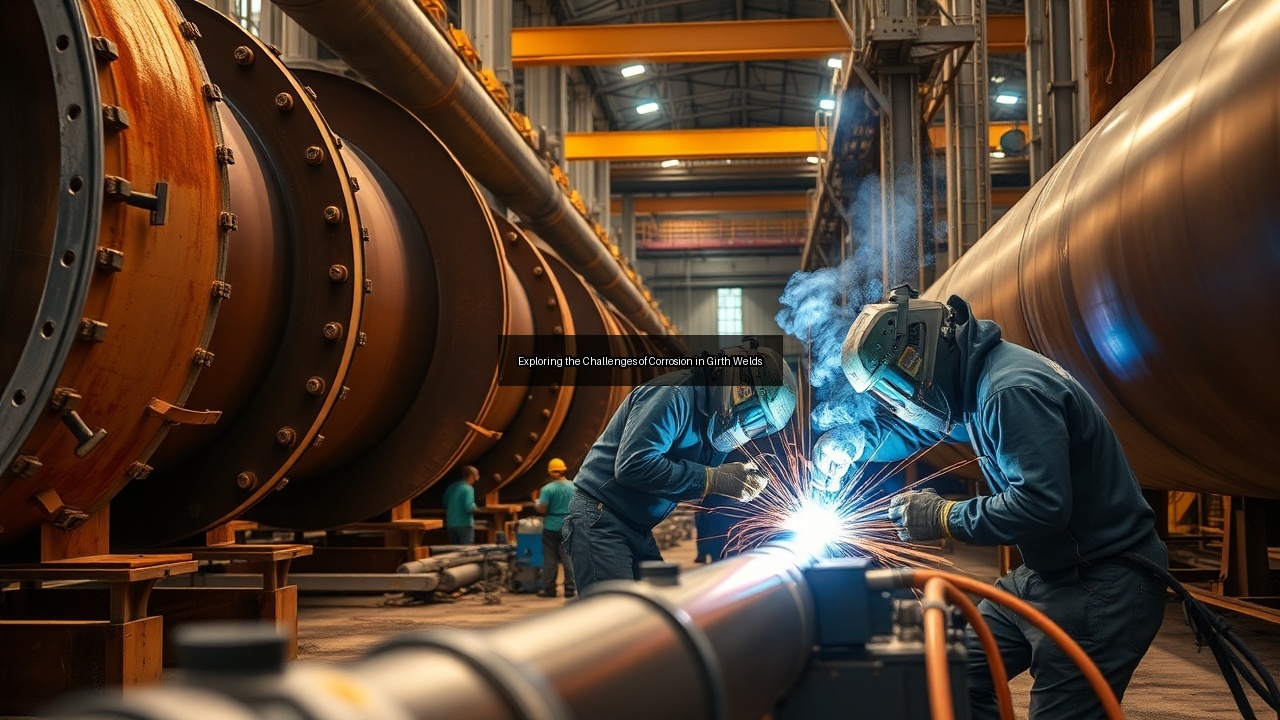
Understanding Pipeline Girth Welding and Its Importance
Overview of Pipeline Girth Welding
Pipeline girth welding involves the process of joining two sections of pipe together at their ends, forming a continuous pipeline. This method is crucial in the construction and operation of pipelines that transport oil, gas, and other fluids. Girth welds are typically executed using various welding techniques, including shielded metal arc welding, gas tungsten arc welding, and friction stir welding. Each of these methods offers distinct advantages in terms of weld quality, speed, and overall efficiency. Properly executed girth welds ensure the integrity and reliability of the pipeline, minimizing the risk of leaks and failures that can lead to costly environmental damage and safety hazards.
The Role of Girth Welds in Pipeline Integrity
Girth welds play a pivotal role in maintaining pipeline integrity. These joints must withstand both internal pressures and external environmental factors, such as soil movement and temperature fluctuations. The strength of the girth weld directly influences the overall durability of the pipeline. Any weaknesses or defects in the weld can compromise the entire structure, leading to catastrophic failures. Therefore, rigorous standards for weld quality and integrity are essential. Adhering to these standards during construction and throughout the pipeline's operational life ensures that girth welds contribute positively to the pipeline's performance and longevity.
Material Selection: Stainless Steel vs. Other Materials
Material selection significantly impacts the performance of girth welds. Stainless steel is a popular choice due to its excellent corrosion resistance and weldability. It provides robust strength while maintaining ductility, which is essential for accommodating thermal expansion and contraction. Other materials, such as carbon steel or plastic composites, may also be used, depending on the specific application and environmental conditions. Each material presents unique challenges and benefits, particularly regarding corrosion resistance and mechanical properties. A thorough understanding of the materials involved ensures that the girth welds will perform optimally in their intended environments.
Challenges of Corrosion in Girth Welds
Common Causes of Corrosion in Welds
Corrosion in girth welds arises from various factors, including environmental exposure, material properties, and improper welding techniques. One common cause is the presence of moisture and aggressive chemicals that can penetrate the weld area. Additionally, the heat-affected zone (HAZ) surrounding a weld may exhibit altered microstructures, making it susceptible to localized corrosion. Inadequate cleaning before welding can also leave contaminants that promote corrosion. Understanding these causes is vital for implementing effective corrosion prevention strategies, including material selection and proper welding techniques that enhance the weld's resistance to environmental degradation.
Impact of Temperature on Corrosion Rates
Temperature significantly influences corrosion rates in girth welds. Higher temperatures can accelerate chemical reactions, increasing the likelihood of corrosion. For example, pipelines operating in extreme temperatures may experience more rapid corrosion due to thermal cycling. Conversely, lower temperatures can also pose challenges, particularly if moisture condenses on the welds. The type of environment—whether marine, industrial, or arid—further complicates the corrosion dynamics. Engineers must consider these thermal effects when designing pipelines and selecting materials, ensuring that the girth welds can withstand the anticipated temperature regimes throughout the pipeline's lifecycle.
Material Considerations: Weldability and Corrosion Resistance
Weldability and corrosion resistance are critical factors in the selection of materials for girth welds. Materials with high weldability facilitate easier and more reliable welding processes, reducing the risk of defects. However, high weldability does not always equate to high corrosion resistance. For example, while carbon steel offers excellent weldability, it may not perform well in corrosive environments compared to stainless steel. Therefore, engineers must strike a balance between these two properties to ensure that the girth welds maintain their integrity under operational conditions. Ongoing research into advanced materials continues to enhance our understanding of these interactions, leading to better pipeline designs.
Inspection and Testing Methods for Girth Welds
Welding Inspection Techniques
Welding inspection techniques are essential to ensure the quality and safety of girth welds. Visual inspection remains the first line of defense, allowing welders and inspectors to identify obvious defects such as cracks, undercuts, and insufficient fusion. However, visual inspection alone may not detect subsurface issues. Therefore, additional methods are employed to provide a comprehensive assessment. These techniques include magnetic particle testing and dye penetrant testing, which can reveal surface and near-surface discontinuities that may compromise the integrity of the weld. Implementing a robust welding inspection protocol helps ensure that all girth welds meet the required standards for safety and performance.
Ultrasonic Testing for Girth Welds
Ultrasonic testing (UT) is a highly effective method for inspecting girth welds. This non-destructive testing (NDT) technique utilizes high-frequency sound waves to detect internal flaws within the welds. An ultrasonic inspection can identify issues such as incomplete fusion, porosity, and cracks that may not be visible through standard visual inspection. The process involves placing a transducer on the weld, which emits sound waves that travel through the material. Reflections from defects return to the transducer, allowing inspectors to assess the quality of the weld. Ultrasonic testing provides a reliable means of ensuring the integrity of girth welds, particularly in critical applications where safety is paramount.
Non-Destructive Testing Methods
Non-destructive testing (NDT) encompasses several techniques used to evaluate girth welds without causing damage. Techniques such as radiographic testing and eddy current testing complement ultrasonic testing, each offering unique advantages. Radiographic testing uses X-rays or gamma rays to create images of the weld area, revealing internal defects. Eddy current testing, on the other hand, is particularly useful for detecting surface cracks and assessing material properties. Employing a combination of NDT methods enhances the overall inspection process, providing comprehensive assurance that girth welds are free from defects and meet industry standards. Continuous advancements in NDT technologies further improve inspection accuracy, contributing to safer and more reliable pipeline operations.
Advancements in Girth Welding Techniques
Friction Stir Welding and Its Benefits
Friction stir welding (FSW) represents a significant advancement in girth welding techniques. This solid-state welding process utilizes a rotating tool to generate heat through friction, enabling the joining of materials without melting them. FSW offers numerous benefits, including reduced distortion, improved mechanical properties, and enhanced corrosion resistance. Because it operates below the melting point, FSW minimizes the risk of defects commonly associated with traditional welding methods, such as porosity and cracking. The application of friction stir welding in pipeline construction has demonstrated substantial improvements in weld quality and performance, making it a preferred choice for many modern pipeline projects.
Understanding Girth Weld Procedures
Effective girth weld procedures are crucial for ensuring consistent quality in pipeline construction. These procedures outline the specific steps and techniques that welders must follow, including pre-welding preparation, welding parameters, and post-weld inspections. Adherence to established guidelines enhances the overall strength and integrity of the welds. Routine training and certification for welders ensure they possess the necessary skills and knowledge to execute these procedures successfully. Continuous improvement of girth weld procedures, informed by ongoing research and technological advancements, plays a vital role in addressing the evolving challenges of pipeline construction and maintenance.
Literature Review on Girth Weld Innovations
A literature review of recent advancements in girth welding reveals a wealth of innovations aimed at improving weld quality and performance. Researchers are exploring new materials with enhanced weldability and corrosion resistance, as well as novel welding techniques that minimize defects. Studies on the effects of various welding parameters on weld integrity provide valuable insights for optimizing girth weld processes. Furthermore, the integration of digital technologies in welding inspection and monitoring has shown promise in enhancing the reliability of girth weld inspections. As the pipeline industry continues to evolve, these innovations will play a crucial role in addressing the challenges associated with girth welding and ensuring the safety and efficiency of pipeline operations.